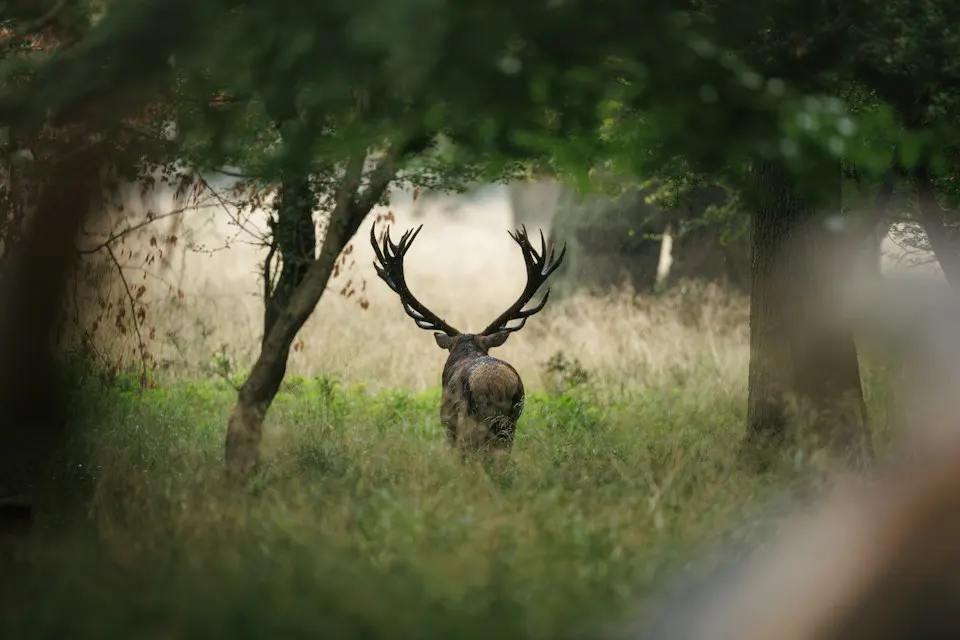
Yes, but rarely from selling photos alone. Most people who make a living from wildlife combine several sources: workshops, group trips, hide rental, prints and commissions. Below is an honest overview of the options and the Polish rules you need to know.
Stock agencies
The easiest start is a microstock agency such as Adobe Stock or Shutterstock. You upload photos, the agency sells them, and you get a share of the price. The catch is that these agencies already hold huge numbers of animal photos, and the payment per download on subscription sales can be low. Agencies set the contributor share themselves and change it from time to time, so read the current terms on the contributor site before you start.
- What sells: sharp images with space for text, species that publishers and ad agencies look for, and photos that show behaviour rather than just a portrait.
- What is hard: competition for popular species such as bison, red deer or foxes.
- What to avoid: photos of captive or enclosure animals captioned as wild. That is unfair to the buyer.
Specialist nature agencies are pickier about photographers and images, but pay more per licence. You usually get in with a finished portfolio rather than as a beginner.
Hides for rent
The model known from Finland, where companies near Kuhmo rent out bear hides, also works in Poland on a smaller scale. Someone builds a hidden hide by a waterhole, a pond or a lek and rents it to photographers by the day or night.
Such a business needs the consent of the landowner or land manager. In state forests you talk to the forest district. In a national park you cannot put up a hide without the director's consent, because Article 15 of the Nature Conservation Act bans structures that do not serve the park. For protected species you may also need a permit from the regional director for environmental protection if people's presence could disturb them. Putting out bait is controversial and banned in many places, so check the rules before you start.
Guiding and trips
In Poland a field guide (przewodnik terenowy) needs no state licence or exam, since the profession was deregulated in 2014. Under current law it is enough to be 18, have completed secondary education and have no conviction for an intentional offence or one linked to guiding work (Article 22 of the Act on hotel services and the services of tour leaders and tourist guides). The exception is mountain guides: in designated mountain areas you need a qualification after training and an exam (Article 21).
If you sell a package with accommodation or transport, you may become a travel organiser under the Polish package travel act. Then registration and a financial guarantee apply. Guiding on its own does not require this.
Business and tax
Selling photos, running workshops and renting hides are paid activities. With small earnings you may be able to use unregistered activity (działalność nierejestrowana), but it has an income limit, which you can check on biznes.gov.pl. Above the limit you register a business in CEIDG. For group trips, third-party liability insurance is worth having.
National park fees
The Nature Conservation Act treats photography and filming in a park, including for profit, as making the park available (Article 5(22)). The park director may charge for it and sets the amount (Article 12). Example: Drawa National Park, in rules from 2014, listed 100 zł per day for commercial photography from a trail, 150 zł off the trail and 500 zł per day of filming. Every park has its own price list, so ask before you go.
How long it takes
Expect the first years to be mostly costs. Gear, fuel, accommodation and hours in a hide cost more than photo sales bring in. A portfolio that convinces a workshop client or an editor usually takes several seasons. Specialising helps: one region, one group of species or one event, such as the rut or crane migration. That way you know the places better than the competition, and you can sell knowledge, not just pictures.
What actually brings in money
- Workshops and photo trips: clients pay for knowledge, location and good timing.
- Hide rental: steady income if the site gives repeatable sightings.
- Commissions: photos for parks, forest districts, municipalities, publishers and conservation groups.
- Prints, calendars and books: they work once you have a recognisable name.
- Stock: a side income rather than the main source.
Your main asset is knowing when and where animals show up. Our wildlife-watching forecast helps you plan dates, and the rules are covered in wildlife-watching ethics and the law in Poland.
Sources
- Act on hotel services and the services of tour leaders and tourist guides (Dz.U. 2023 item 1944, in Polish)
- Deregulation of the guiding profession (Rzeczpospolita, in Polish)
- Guide rules in national parks (Rzeczpospolita, in Polish)
- Polish Nature Conservation Act, consolidated text (Dz.U. 2026 item 1315, in Polish)
- Photography rules and prices, Drawa National Park
- Adobe Stock for contributors
- Shutterstock for contributors
- Biznes.gov.pl, unregistered activity and CEIDG
Do not miss the next window
The best windows last a few hours: after a storm, after rain, on a clear night with an active Sun. Sign up and we will email you when the index at your spots goes above 60.